



TMJ Disorder Treatment in North York & Toronto
Temporomandibular joint (TMJ) disorders can cause pain and discomfort in the jaw, face, and surrounding muscles. Symptoms may include jaw pain, clicking or popping when opening the mouth, headaches, difficulty chewing, muscle soreness, and changes in the way your teeth come together. At Philip A. Novack, Periodontics & Implantology, we provide comprehensive evaluation and treatment for TMJ disorders and myofascial pain in North York and Toronto.
What Is TMJ Disorder?
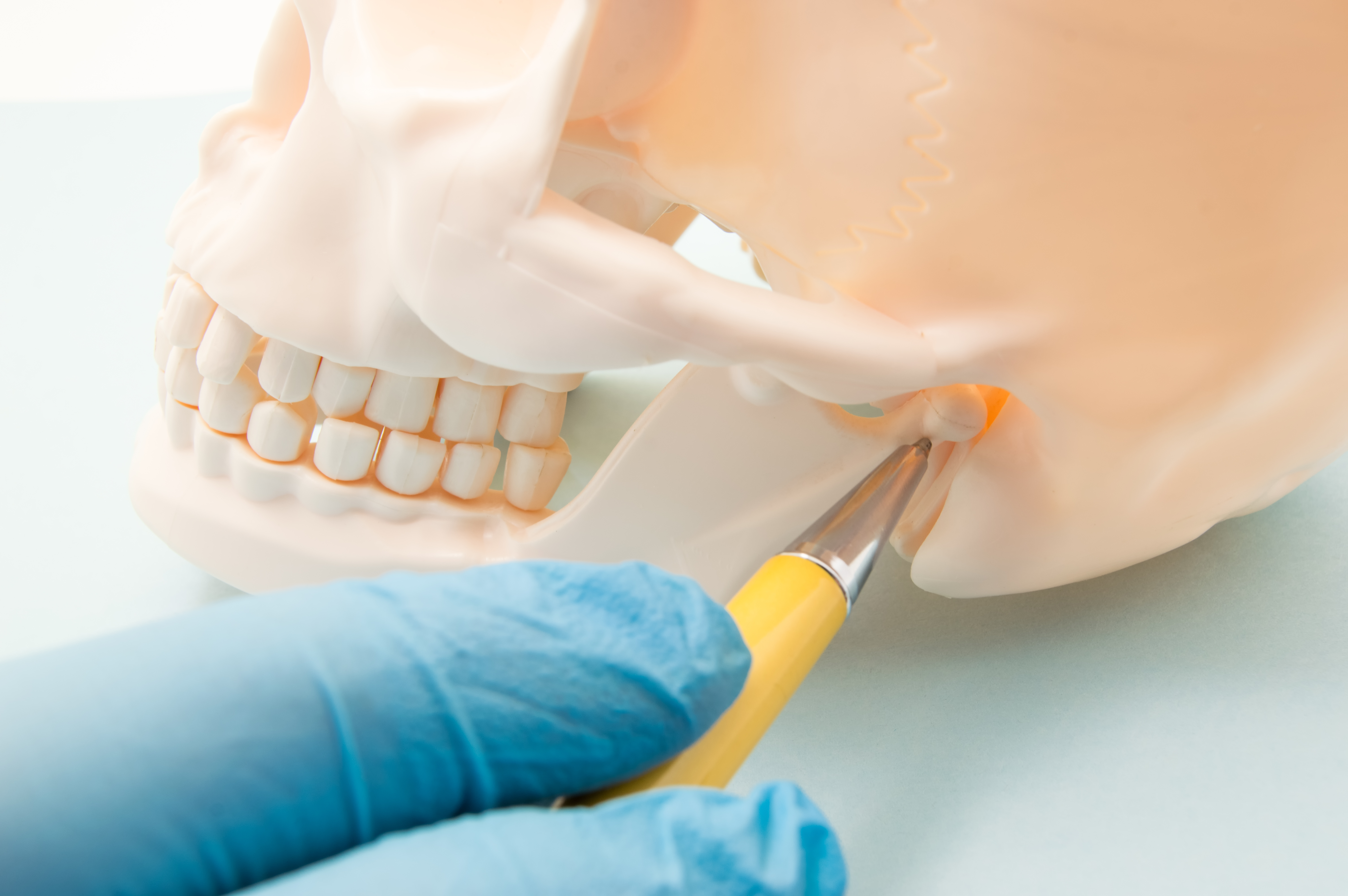 The temporomandibular joints connect the lower jaw to the skull and allow the jaw to move when you speak, chew, and open your mouth. Problems affecting these joints or the muscles surrounding them are commonly referred to as temporomandibular joint disorders, or TMJ disorders.
TMJ symptoms can develop following an injury or trauma to the jaw, from chronic teeth grinding or clenching, or as a result of other habits and conditions that place excessive stress on the jaw joints and muscles. Identifying the underlying cause of your symptoms is an important part of developing an appropriate treatment plan.
Common Symptoms of TMJ Disorders
TMJ problems can affect each person differently. Common symptoms may include:
- Jaw pain or tenderness
- Pain or soreness in the facial muscles
- Clicking, popping, or other sounds when opening or closing the jaw
- Difficulty or discomfort when chewing
- Limited jaw movement
- Headaches associated with jaw or facial muscle tension
- Muscle spasms or facial pain
- Jaw stiffness
- Changes in your bite
- Teeth grinding or clenching
A clicking or popping jaw does not necessarily mean that treatment is required, but persistent pain, difficulty opening or closing the mouth, or changes in jaw function should be evaluated.
What Causes TMJ Pain?
There are several factors that may contribute to TMJ and myofascial pain. Trauma to the jaw can affect the joint or surrounding muscles. Teeth grinding and clenching can place additional stress on the teeth, muscles, and temporomandibular joints. Other habits and changes in the bite may also contribute to abnormal forces on the jaw.
Inflammation can develop following trauma or as a result of ongoing stress on the jaw joint. Chronic inflammation and excessive forces may contribute to degenerative changes within the joint, including arthritis.
TMJ, Bruxism & Teeth Grinding
Teeth grinding and clenching, also known as bruxism, can place significant stress on the teeth and jaw muscles. Over time, excessive grinding may contribute to tooth wear, fractured teeth, muscle discomfort, and problems affecting the temporomandibular joints.
Our office provides treatment options for bruxism and TMJ-related myofascial pain. Depending on your individual condition, treatment may include anti-inflammatory approaches, oral physiotherapy, custom bite appliances, and other conservative therapies.
TMJ Diagnosis in North York
A thorough evaluation is important when determining the cause of jaw pain or other TMJ symptoms. During a comprehensive examination, Dr. Novack can evaluate your jaw joints, muscles, bite, teeth, and periodontal health.
Our first-visit examination includes a dynamic tooth-bite analysis and a thorough jaw joint examination when appropriate. This allows the practice to evaluate how the teeth, bite, jaw joints, and surrounding structures function together.
TMJ Treatment Options
Treatment for TMJ disorders depends on the underlying cause and severity of your symptoms. Our approach is conservative whenever possible, with treatment recommendations based on the individual needs of each patient.
Bite Splint Therapy
A custom-fitted bite splint may be recommended to help reduce excessive forces on the teeth and allow the jaw muscles and joints to move toward a more relaxed position. Depending on your condition, the appliance may be worn at night, during the day, or at both times.
Oral Physiotherapy
Oral physiotherapy may be used to help reduce muscle tension, improve jaw movement, and support recovery. Depending on your condition, recommended techniques may include stretching exercises, hot and cold therapy, and massage.
Bite Adjustment
In some situations, an abnormal or destructive bite may contribute to excessive forces on the teeth and jaw. Bite adjustment therapy can involve carefully reshaping areas of excessive contact, replacing worn or damaged restorations, orthodontic treatment, or reconstructing significantly worn teeth when appropriate.
Bruxism Treatment
When teeth grinding or clenching contributes to your symptoms, treatment may focus on reducing the effects of these habits and protecting the teeth and jaw. A comprehensive evaluation can help determine which treatment options are appropriate for your situation.
TMJ Treatment in North York & Toronto
If you are experiencing jaw pain, facial muscle discomfort, headaches associated with jaw tension, or clicking and popping when you open your mouth, a TMJ evaluation can help identify potential causes of your symptoms.
Dr. Philip Novack provides comprehensive TMJ and myofascial examinations and conservative treatment options at the practice’s North York office. The practice serves patients throughout Toronto and surrounding communities who are seeking evaluation and treatment for TMJ disorders, bruxism, and related jaw problems.
Frequently Asked Questions About TMJ Disorders
What are the symptoms of TMJ disorder?
Common symptoms can include jaw pain, facial muscle soreness, clicking or popping of the jaw, difficulty chewing, limited jaw movement, headaches associated with jaw tension, and changes in the way your teeth come together.
When should I see a dentist or periodontist for TMJ pain?
You should consider an evaluation if jaw pain persists, your jaw regularly clicks or pops with discomfort, you have difficulty opening or closing your mouth, or you experience ongoing facial muscle pain or problems chewing. An examination can help identify the potential source of your symptoms.
Can teeth grinding cause TMJ problems?
Teeth grinding and clenching can place excessive stress on the teeth, jaw muscles, and temporomandibular joints. Chronic bruxism may contribute to tooth wear, fractured teeth, muscle pain, and problems affecting the jaw joints.
How is TMJ disorder diagnosed?
TMJ diagnosis begins with a comprehensive evaluation of your symptoms, jaw joints, muscles, teeth, and bite. A dynamic bite analysis and jaw joint examination may be used to better understand how your jaw and teeth function together.
What treatments are available for TMJ disorder?
Treatment depends on the cause of your symptoms. Depending on your individual needs, options may include bite splint therapy, oral physiotherapy, treatment for bruxism, bite adjustment, and other conservative approaches.
Can a night guard help with TMJ?
A custom-fitted bite splint may be recommended for some patients with TMJ-related symptoms or bruxism. The appliance is designed specifically for your bite and may help reduce excessive forces on the teeth and support a more relaxed position for the jaw muscles and joints.
Is jaw clicking always a sign of TMJ disorder?
Jaw clicking or popping can occur for different reasons and does not necessarily mean that treatment is required. However, clicking accompanied by pain, limited movement, locking, or other changes in jaw function should be evaluated.
Can TMJ problems cause headaches?
Jaw muscle tension and TMJ problems can be associated with headaches or facial pain in some patients. A comprehensive examination can help determine whether your jaw joints, muscles, bite, or teeth may be contributing to your symptoms.
Where can I get TMJ treatment in North York or Toronto?
Philip A. Novack, Periodontics & Implantology provides TMJ and myofascial evaluations and treatment at 4211 Yonge Street, Suite 201, in North York, Ontario. The practice serves patients in North York and throughout Toronto. Call (416) 224-2114 to schedule a consultation.
Is Your Jaw Clicking or Causing You Pain?
Don’t wait to have persistent jaw pain or other TMJ symptoms evaluated. Contact our North York office to schedule a comprehensive TMJ examination.